The Ultimate Guide to Residential Plumbing Systems

Residential plumbing systems are the unsung heroes of modern homes, working tirelessly behind the walls and beneath floors to ensure that water flows seamlessly where it is needed. These intricate networks not only provide us with the convenience of running water but also play a crucial role in maintaining hygiene and sanitation. Understanding the components and functioning of residential plumbing can help homeowners better manage their systems, ensuring longevity and efficiency.
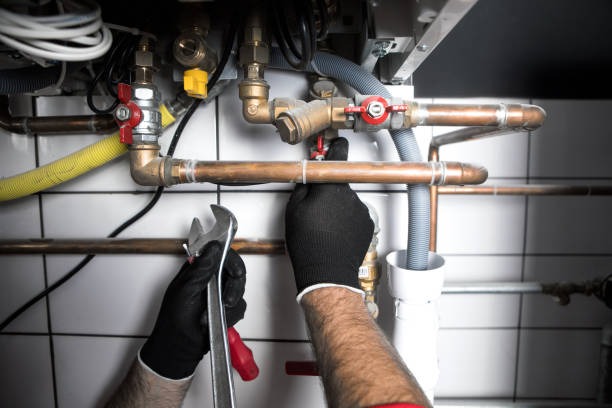
At its core, a residential plumbing system comprises two main subsystems: the water supply system and the drainage or waste removal system. The water supply system brings fresh water into the home from either a municipal source or a private well. This system relies on pressure to deliver water through pipes to various fixtures such as sinks, showers, toilets, and appliances like dishwashers and washing machines. Key components include shut-off valves, which allow for control over individual lines; faucets; fixtures; and an array of piping materials ranging from copper to PVC.
plumber papillion
Conversely, the drainage system operates without pressure, relying instead on gravity to remove wastewater from the home efficiently. This subsystem includes drainpipes that connect each fixture to larger sewer lines leading out of the house. Vent pipes are integral here as plumber near me they prevent sewer gases from entering living spaces by allowing air into drainpipes when wastewater exits.
Maintenance is vital for both subsystems to function optimally. Regular inspections can identify potential issues such as leaks or blockages before they escalate into costly repairs. For instance, checking under sinks for signs of moisture or corrosion can preemptively address leaks while routine cleaning can keep drains clear.
Moreover, understanding basic plumbing principles empowers homeowners during emergencies—knowing how to shut off main valves quickly can prevent extensive damage during pipe bursts or major leaks. Investing in quality materials during installations or upgrades also pays dividends in durability and performance over time.
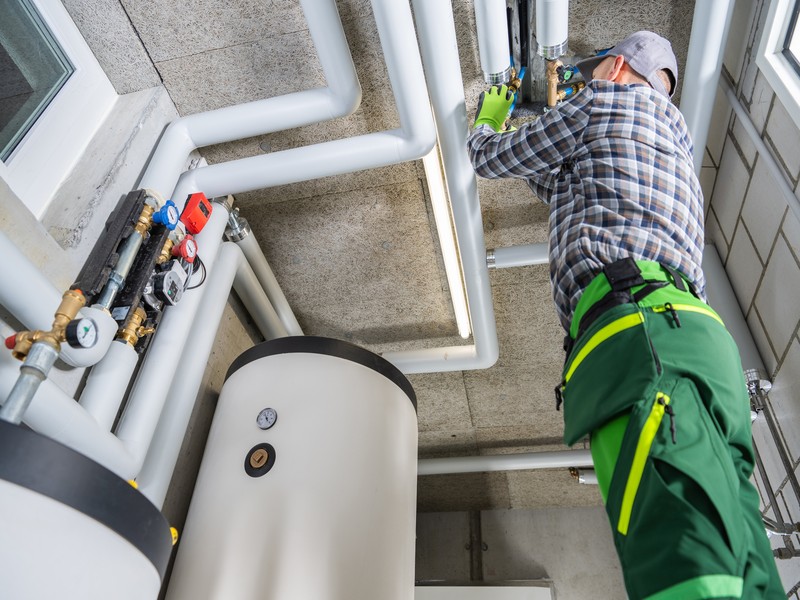
Energy efficiency is another critical aspect tied closely with modern plumbing systems through innovations like low-flow toilets and showerheads designed to conserve water without sacrificing performance. Additionally, tankless water heaters offer an efficient alternative by heating water on demand rather than storing it continuously at a set temperature.
In conclusion, residential plumbing systems are complex yet fascinating networks essential for daily life’s conveniences we often take for granted. By gaining insight into their operation and maintenance needs—alongside embracing advancements aimed at sustainability—homeowners not only enhance their living environments but also contribute positively towards environmental conservation efforts globally. Recognizing this balance between functionality and responsibility ensures these systems continue serving future generations effectively while minimizing ecological footprints today.
Local Plumbing and Drain Company
800 W Perry St, Papillion, Nebraska 68046
402-378-9550