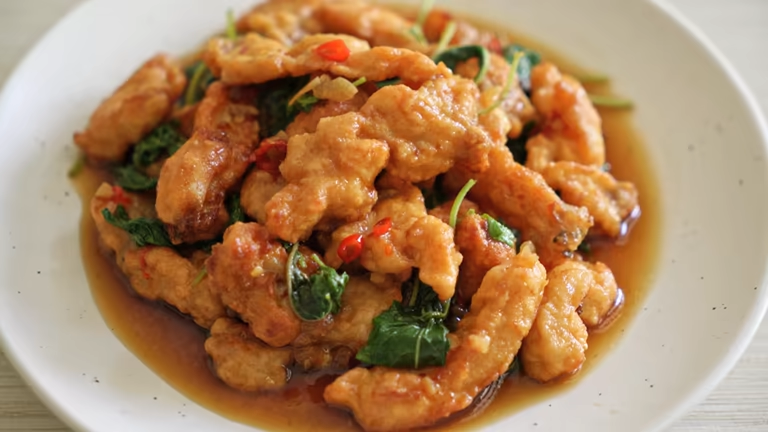
Thai Basil Pesto With a Southeast Asian Twist

Thai basil pesto offers a vibrant and flavorful twist on the classic Italian sauce, infusing it with the aromatic and spicy notes characteristic of Southeast Asian cuisine. This innovative variation replaces traditional basil with Thai basil, which has a distinct licorice-like flavor that adds depth and complexity to the pesto. By incorporating ingredients common in Southeast Asian cooking, such as lime juice, fish sauce, and toasted peanuts or cashews instead of pine nuts, this pesto becomes a versatile condiment that pairs beautifully with a variety of dishes.
The foundation of Thai basil pesto begins with fresh Thai basil leaves. Unlike sweet Italian thai basil pesto carries subtle hints of anise and clove, making it an ideal herb for those seeking something more exotic yet familiar. The leaves are blended together with garlic cloves to provide pungency and warmth. Instead of Parmesan cheese traditionally used in Italian pesto, this version often includes grated hard cheeses like Pecorino Romano or omits cheese altogether for a dairy-free option.
To enhance the Southeast Asian profile further, lime juice is added to introduce bright acidity that balances the richness from oils and nuts. Fish sauce plays a crucial role by lending umami depth; its salty-savory character elevates the overall taste without overpowering other elements. For texture and nuttiness, toasted peanuts or cashews replace pine nuts-both readily available in many Asian markets-contributing crunch as well as subtle sweetness.
Olive oil remains essential to bind all ingredients into a smooth paste while imparting fruity undertones typical of Mediterranean olive varieties. However, some recipes may incorporate neutral oils like grapeseed or peanut oil to allow other flavors to shine through more distinctly.
This Thai basil pesto is incredibly versatile in application. It can be tossed with noodles-such as rice noodles or even spaghetti-for an easy meal infused with bold flavors reminiscent of pad thai but creamier due to its saucy nature. Drizzling over grilled chicken or seafood introduces herbal freshness complemented by savory richness from the sauce itself. Additionally, using it as a spread on sandwiches or wraps provides an unexpected punch compared to conventional spreads like mayonnaise.
For those interested in experimenting further within Southeast Asian culinary traditions, adding elements like chopped fresh chili peppers can increase heat levels according to preference while maintaining balance through lime’s acidity and fish sauce’s saltiness.
In summary, Thai basil pesto is an exciting fusion condiment that marries Italian technique with Southeast Asian ingredients harmoniously. Its unique flavor profile makes it suitable not only for pasta but also adaptable enough for various proteins and vegetable dishes across different cuisines seeking boldness paired with freshness-a testament to how global culinary inspirations continue evolving deliciously when combined thoughtfully.