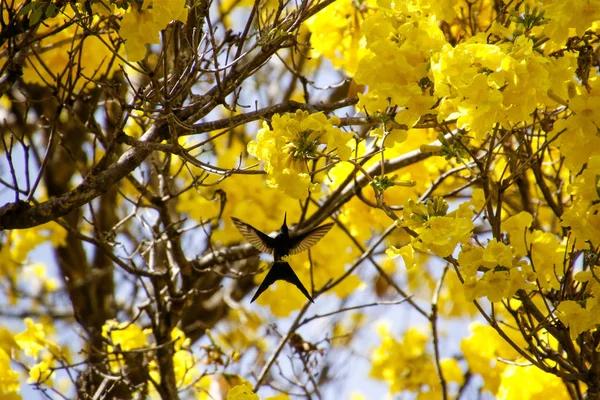
The Ultimate Guide to Live Kolibri Watching

Watching kolibris, also known as hummingbirds, in their natural habitat offers a mesmerizing experience for nature enthusiasts and bird watchers alike. These tiny birds are renowned for their vibrant colors, rapid wing beats, and remarkable agility. To fully enjoy live kolibri watching, it is essential to understand their behavior, preferred environments, and the best practices for observation.
Kolibris are primarily found in the Americas, with the highest diversity concentrated in Central and South America. They thrive in habitats ranging from tropical rainforests to mountainous regions. When planning a kolibri watching trip or activity, selecting locations where these birds frequently feed is crucial. Gardens filled with nectar-rich flowers or feeders containing sugar water attract them consistently. Early mornings and late afternoons tend to be the most active times for kolibris as they forage energetically during cooler parts of the day.
To observe these birds up close without disturbing them requires patience and subtlety. Kolibris have excellent vision but can be wary of sudden movements or loud noises. Approaching slowly and maintaining a respectful distance helps prevent scaring them away. Using binoculars or a camera with a zoom lens allows viewers to appreciate intricate details such as iridescent feathers and delicate flight patterns without intrusion.
Providing suitable food sources can enhance live viewing opportunities significantly. A simple homemade nectar solution consisting of four parts water to one part white granulated sugar mimics natural flower nectar effectively without harming the birds if changed regularly every few days to prevent fermentation or mold growth. Avoid using honey or artificial sweeteners since these may be detrimental to kolibri health.
Creating an inviting environment involves planting native flowering plants that produce abundant nectar throughout different seasons; examples include trumpet vine, salvia species, bee balm, and columbine flowers depending on geographic location. Such flora not only attracts kolibris but also supports local ecosystems by encouraging pollination activities vital for biodiversity.
Observing behavioral traits adds depth to Live Kolibri watching experiences beyond mere visual appreciation. Watching males perform elaborate aerial displays during courtship reveals fascinating aspects of their mating rituals while noting territorial disputes among individuals highlights social interactions within populations.
For those interested in documenting sightings systematically, keeping a journal detailing dates, times, species observed (there are over 300 hummingbird species), weather conditions, feeding habits noted at feeders or flowers enriches understanding over time while contributing useful data potentially valuable for conservation efforts.
Ultimately, successful live kolibri watching blends knowledge about these captivating birds’ ecology with thoughtful preparation aimed at minimizing human impact on their natural behaviors while maximizing enjoyment through close yet considerate observation techniques that celebrate one of nature’s most enchanting creatures in motion.