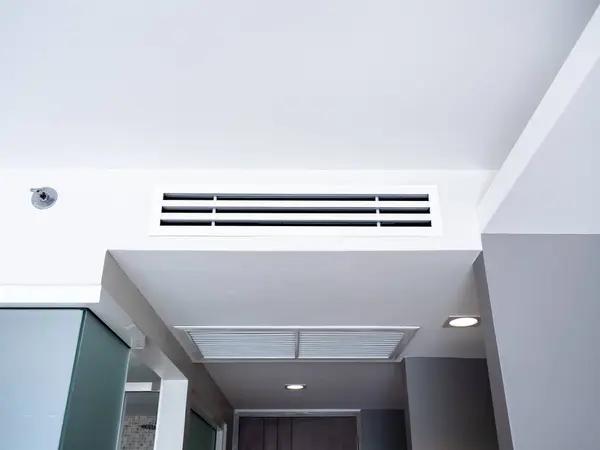
Mini Split Systems Helping Reduce Monthly Energy Costs

Mini split systems have become an increasingly popular choice for homeowners and businesses looking to reduce their monthly energy costs. These heating and cooling units offer a highly efficient alternative to traditional HVAC systems, providing targeted climate control without the need for extensive ductwork. Because they operate on a ductless design, mini splits minimize energy loss that typically occurs in conventional forced-air systems, where air travels through ducts that may be poorly insulated or leaky. This efficiency translates directly into lower electricity bills, making mini splits an attractive option for those seeking cost-effective temperature regulation.
One of the key advantages of Mini Split systems is their ability to provide zoned heating and cooling. Instead of conditioning an entire building uniformly, these units allow users to adjust temperatures in individual rooms or zones according to specific needs. This level of control prevents unnecessary heating or cooling of unoccupied spaces, which often leads to wasted energy in traditional setups. By focusing only on occupied areas, homeowners can significantly reduce their overall power consumption and enjoy more comfortable living environments tailored precisely to their preferences.
The technology behind mini splits also contributes substantially to energy savings. Most modern models use inverter-driven compressors that modulate speed based on demand rather than cycling on and off at full capacity like conventional units. This variable-speed operation ensures consistent indoor temperatures while consuming less electricity during periods of low demand. Additionally, many mini split systems come equipped with advanced sensors and programmable thermostats that optimize performance by adjusting settings automatically throughout the day.
Installation flexibility further enhances the appeal of mini splits as an energy-saving solution. Since these systems do not require ductwork, installation is less invasive and can be completed more quickly than traditional HVAC replacements or upgrades. The reduced complexity lowers upfront costs as well as ongoing maintenance expenses associated with ducts such as cleaning or sealing leaks that compromise efficiency over time.
Moreover, mini split heat pumps are capable of both heating and cooling efficiently by transferring heat rather than generating it through resistance elements or combustion processes. During colder months, they extract warmth from outside air-even when temperatures are low-and deliver it indoors at a fraction of the electrical input required by electric heaters. In warmer seasons, they reverse this process by removing indoor heat and expelling it outdoors.
Overall, adopting a mini split system represents a practical investment toward reducing monthly energy expenditures while enhancing comfort levels year-round. Their combination of precise zoning capabilities, advanced compressor technology, ease of installation without ducts, and efficient heat transfer mechanisms make them one of the most effective ways for consumers to manage utility costs sustainably without sacrificing convenience or environmental responsibility.